
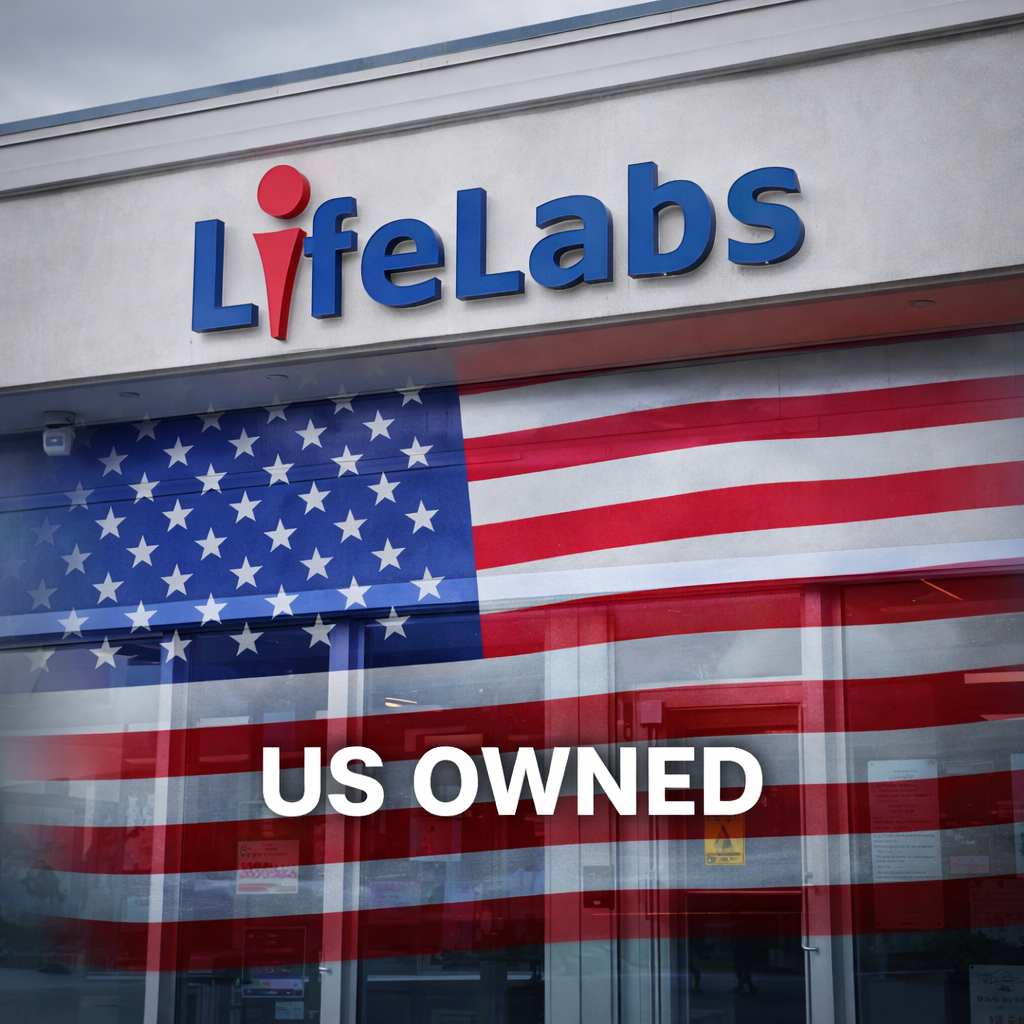
LifeLabs’ acquisition by a U.S.-based company in 2024 raises serious concerns that go far beyond corporate restructuring. Medical data is not just another business asset, it is among the most sensitive categories of personal information a person can have. When ownership shifts outside Canada, so does meaningful control.
Under U.S. law, companies can be subject to legislation such as the USA PATRIOT Act and CLOUD Act, which may compel disclosure of data to U.S. authorities, even when that data belongs to non-U.S. citizens and is stored outside the United States. Canadian privacy protections stop at the border; once ownership crosses it, enforcement becomes murky at best.
This is why many argue that Canadian citizens’ health data should never have been allowed to fall under foreign ownership. The federal government had both the authority and the responsibility to step in , to regulate, restrict, or condition such acquisitions in the public interest. Health data is part of national critical infrastructure, just like energy grids or telecommunications. Treating it as a tradable commodity exposes Canadians to long-term privacy, legal, and sovereignty risks.
Once medical data leaves Canadian control, Canadians lose more than oversight — they lose leverage. And unlike physical assets, compromised data cannot be brought back home.