
Long before privacy became a dirty word, a small Canadian tech firm set out to protect it. That firm was Sky Global, founded in Vancouver by Jean-François Eap, a visionary who believed that secure communication should be available to anyone, not just governments or corporations.
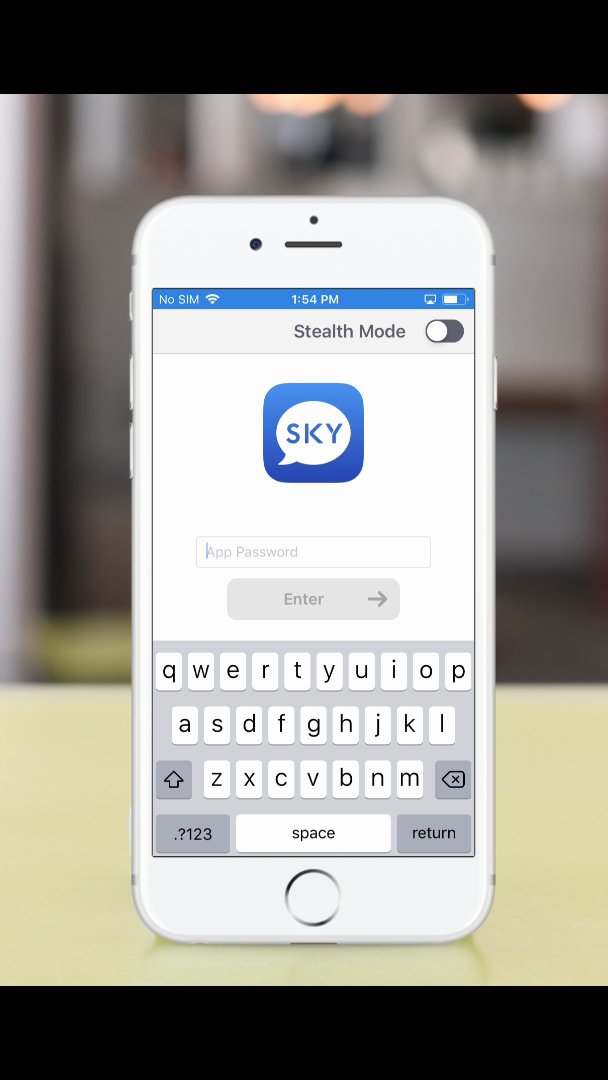
Sky Global designed and sold encrypted smartphones and secure messaging software. These weren’t underground hacker tools; they were professional-grade privacy devices meant to keep conversations safe from eavesdropping, whether by hackers, competitors, or, yes, even the state.
For years, Sky Global operated openly. Their products were marketed worldwide, and their devices were used by executives, lawyers, journalists, and privacy enthusiasts. Like any privacy technology, though, their tools inevitably attracted the attention of people on both sides of the law – and that, eventually, became Sky Global’s undoing.
In March 2021, the United States Department of Justice and European law enforcement launched a coordinated strike against Sky Global. Servers were seized, distributors arrested, and the company’s infrastructure was wiped off the map. Eap himself was charged with “knowingly facilitating criminal activity.”
Authorities painted Sky Global as a criminal enterprise disguised as a tech company. But the reality was far more complicated, as Sky built tools, not criminal networks. The company had no control over what users did with their devices, no more than Apple controls iPhone users or Signal controls its message traffic.
The operation against Sky Global followed a sad, familiar pattern. The year before, in 2020, European agencies had infiltrated another encrypted network called EncroChat, hacking thousands of devices and intercepting millions of private messages. That action was celebrated as a law-enforcement triumph, but it also blurred the line between surveillance and mass intrusion. Sky Global’s downfall extended that precedent to North America. It wasn’t just a takedown… it was a message. Governments were no longer content to chase criminals using encryption; they were ready to criminalize the creators of encryption itself.
Jean-François Eap’s company stood for something increasingly rare: the belief that privacy is a right, not a privilege. Sky Global didn’t sell anonymity; it sold control, or in other words, the right to decide who gets to read your words. Their product was marketed to the legal and health professionals, academics, journalists, military and even celebrities. And, of course, to anyone wanting to own their own thoughts and personal data. When that right became inconvenient for powerful institutions, the company that defended it was erased.
Even more troubling is the way multiple governments colluded to make the case stick. Why? Because in Canada, the Charter of Rights and Freedoms still protects core principles that make such surveillance nearly impossible. First, authorities must prove criminality for each individual before authorizing a wiretap as it doesn’t allow blanket warrants or fishing expeditions. Second, the law explicitly forbids purposely or inadvertently intercepting communications from people not involved in a crime.
Faced with those restrictions, investigators simply looked elsewhere. They went after Sky’s servers in Roubaix, France, where national laws permit broad interception powers under far looser privacy safeguards. In doing so, they bypassed Canada’s constitutional protections and outsourced mass surveillance to jurisdictions more tolerant of it. It was a clever workaround and a dangerous precedent.
And yet, the question remains: if a Canadian company can be destroyed for building privacy tools, what does that mean for the rest of us who still dare to use them?